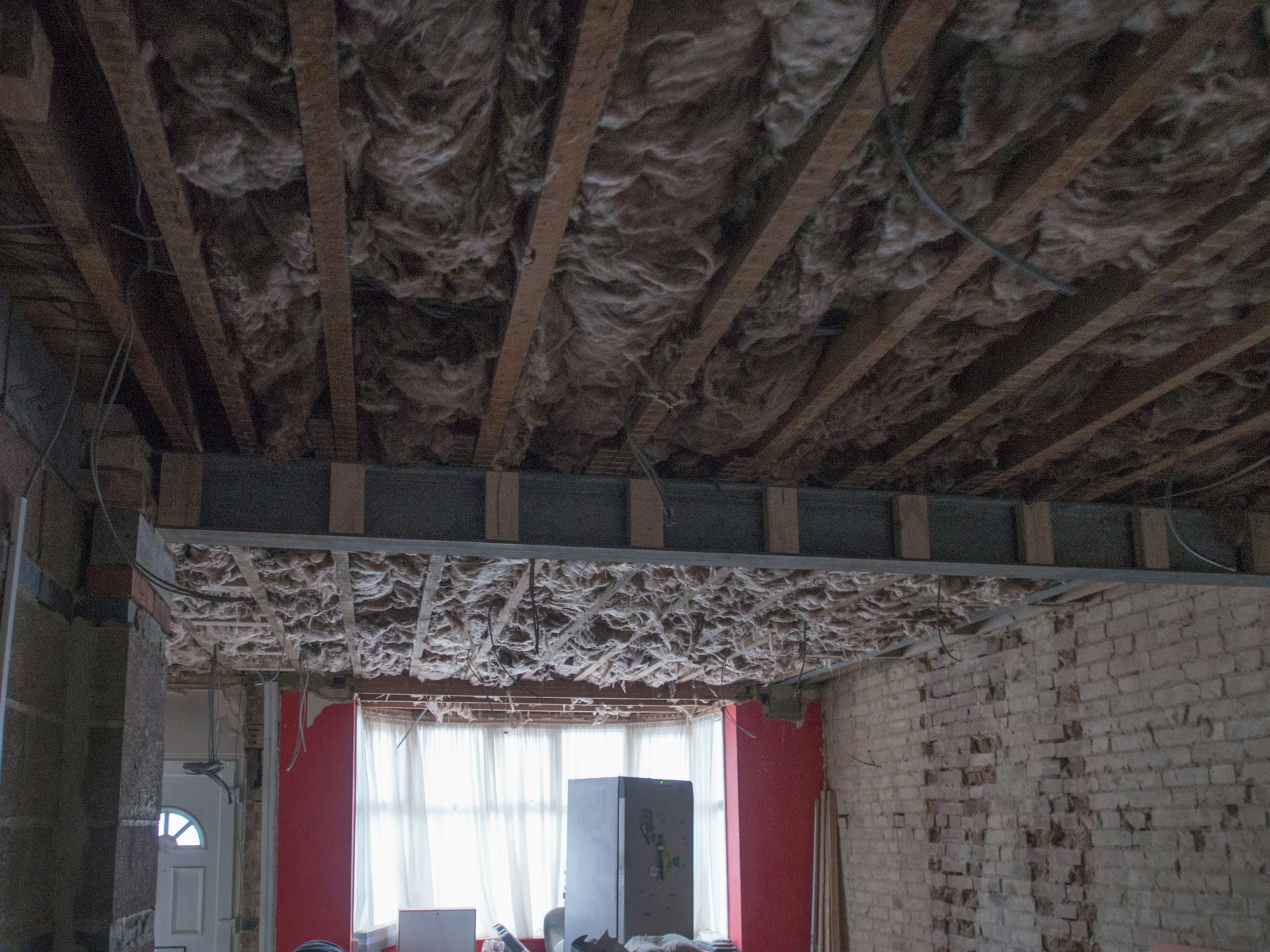
A heating system can only perform efficiently when the surrounding structure supports proper heat retention. Many homeowners focus on upgrading furnaces or thermostats while overlooking the impact of insulation on overall system performance. Poor insulation allows warm air to escape quickly, forcing heating units to work harder and increasing energy costs over time. In these situations, professional electrician services can help assess related components such as wiring, thermostats, and heating controls to ensure the entire system operates safely and efficiently. Improving insulation alongside electrical checks can significantly enhance comfort and reduce energy waste. In this article, we explore how insulation directly influences heating system performance and long-term energy efficiency.
How Insulation Supports Heat Retention
The primary function of insulation is to reduce heat transfer through walls, ceilings, and floors. During colder weather, heated air inside a building naturally moves toward cooler areas, which often means escaping through poorly insulated surfaces. When insulation materials are installed correctly, they slow this movement of heat and help keep warm air inside the building. This process allows heating systems to maintain comfortable temperatures with less effort. Without adequate insulation, a heating system must cycle more frequently to replace lost heat, which increases energy consumption. Effective insulation, therefore, acts as a support system for heating equipment, allowing it to operate under more balanced and efficient conditions.
Reducing Energy Demand on Heating Equipment
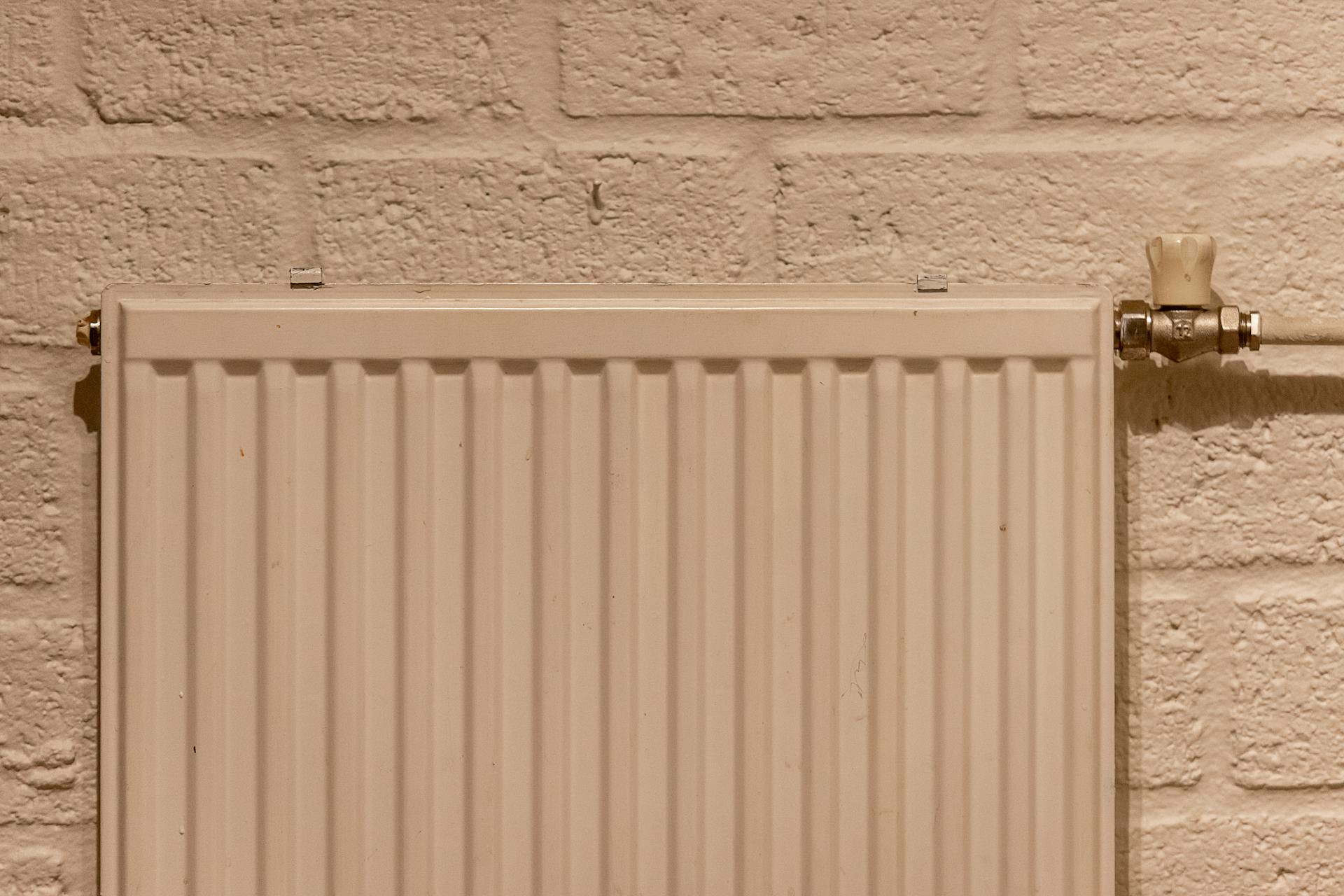
Heating systems are designed to produce warmth, but their efficiency depends heavily on how well that warmth is retained within a structure. In buildings with insufficient insulation, heat escapes quickly through roofs, walls, and even small gaps in construction materials. As a result, the heating system must operate longer and more frequently to compensate for the lost heat. This increased workload places additional strain on mechanical components and can lead to higher energy usage over time. When insulation is properly installed throughout the building envelope, heat loss is significantly reduced. The heating system can then operate in shorter cycles, conserving energy while still maintaining the desired indoor temperature.
Improving Temperature Consistency
Temperature consistency is another important factor influenced by insulation. In a poorly insulated building, certain rooms may feel noticeably colder than others because heat escapes more quickly in some areas. Drafts near windows, ceilings, or exterior walls often indicate areas where insulation is insufficient or uneven. These variations can make it difficult for a heating system to distribute heat throughout the home evenly. Proper insulation helps create a more stable indoor environment by minimizing temperature fluctuations. When heat remains within the living space for longer periods, the heating system can maintain balanced temperatures across multiple rooms, improving overall comfort for occupants.
Supporting Long-Term Heating System Efficiency
Over time, heating equipment experiences wear as it cycles on and off to regulate indoor temperatures. Systems that must run continuously due to poor insulation often experience greater mechanical stress. This stress can shorten the lifespan of components such as fans, compressors, or burners. Insulation helps reduce this strain by maintaining indoor warmth more effectively, allowing the heating system to operate under normal conditions rather than constant demand. By improving the efficiency of heating equipment, insulation contributes to the long-term reliability of the entire heating system while helping property owners manage operational costs more effectively.
Insulation plays a critical role in supporting the performance of heating systems by reducing heat loss and stabilizing indoor temperatures. By slowing the transfer of heat through building materials, insulation allows heating equipment to operate more efficiently and with less strain. This relationship between insulation and heating performance highlights the importance of considering the entire building structure when evaluating energy efficiency. With proper insulation and well-maintained heating equipment, homes and commercial buildings can achieve greater comfort while reducing energy consumption.