
Real estate development has always relied on understanding land, location, and resources. Traditionally, developers used maps, surveys, and local knowledge to make decisions. Today, digital mapping and Geographic Information Systems (GIS) are transforming the process. As Wochenspiegel website highlights the importance of going digital, it is a relief knowing that these technologies provide developers with accurate, real-time data that was once difficult to obtain. This shift is creating smarter, faster, and more strategic planning for residential and commercial projects.
Understanding GIS and Digital Mapping
GIS is a system designed to capture, store, analyze, and visualize spatial or geographic data. Digital mapping complements it by turning data into detailed maps that are easy to interpret. Together, they allow developers to see land characteristics, environmental factors, zoning regulations, and infrastructure layouts in one interactive platform. This information helps stakeholders make informed decisions and reduces reliance on guesswork.
Streamlining Site Selection
One of the most significant impacts of GIS in real estate is site selection. Developers can evaluate multiple locations quickly by analyzing topography, access to roads, utility connections, and flood zones. Digital mapping visualizes this information clearly, making comparisons easier. The process is faster and more accurate than manual evaluations. Developers can now prioritize sites that offer the highest potential while avoiding areas prone to risk or costly complications.
Enhancing Environmental Assessment
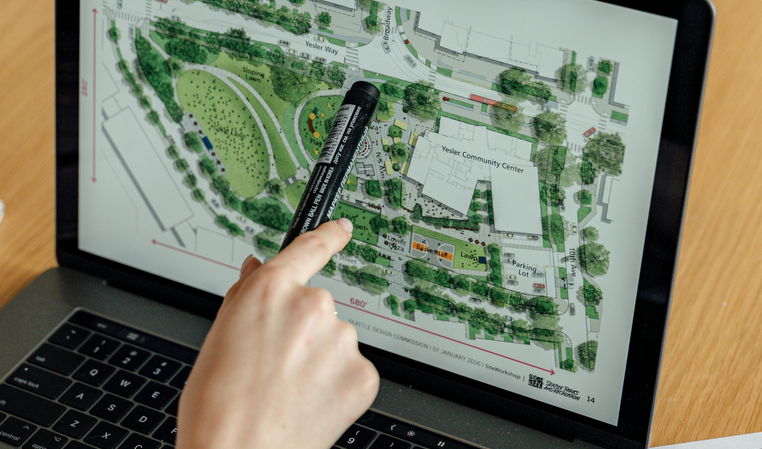
Environmental factors are increasingly critical in development projects. GIS allows developers to study soil types, vegetation, water sources, and wildlife habitats before breaking ground. By integrating environmental data, planners can avoid sensitive areas, design for sustainability, and reduce ecological impact. This approach ensures that projects comply with regulations and contribute positively to their surroundings. It also demonstrates a unique commitment to responsible development.
Improving Infrastructure Planning
Digital mapping helps assess existing infrastructure and plan for future needs. Roads, public transport, electricity, water, and sewer systems can all be evaluated digitally. Developers can identify gaps or constraints that might affect project feasibility. GIS tools allow simulations of population growth and traffic patterns, enabling more efficient infrastructure planning. This foresight reduces delays and supports projects that are better integrated with the community.
Assessing Decision-Making and Risk Management
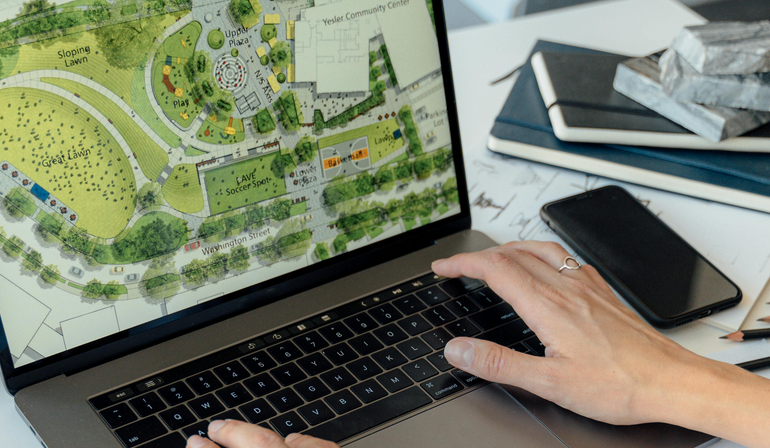
Risk assessment is a major part of real estate development. GIS and digital mapping provide data for flood zones, earthquake-prone areas, and other hazards. Developers can use this information to design safer structures or choose alternative locations. The ability to visualize risks before construction ensures better decision-making. It protects both investors and residents while supporting long-term project success.
Ensuring Good Marketing and Stakeholder Communication
GIS and mapping tools are not limited to planning and construction. They also enhance communication with stakeholders. Investors, government authorities, and community members can visualize projects in context. Interactive maps allow users to explore locations, layouts, and amenities digitally. This level of clarity builds confidence, fosters transparency, and accelerates approvals or investment decisions.
Digital mapping and GIS have transformed real estate development from an intuition-driven process into a data-driven science. Developers now have access to tools that make site selection faster, environmental assessments more precise, and infrastructure planning more effective. Risk management is improved, stakeholder communication is clearer, and projects are more sustainable. As technology continues to advance, these tools will become indispensable, ensuring that real estate development is smarter, safer, and better aligned with the needs of modern communities.…