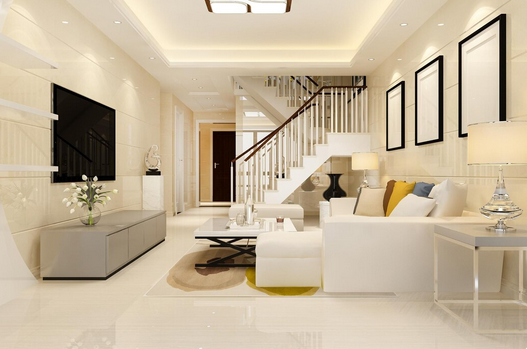
Home design is evolving rapidly, blending functionality with personal expression to create spaces that are both stylish and deeply livable. From open-concept layouts to sustainable materials and smart home integrations, today’s trends reflect a shift toward comfort, efficiency, and individuality. As these trends influence every corner of the home, it’s important to understand what makes exterior design different from interior design, since each requires its own approach to materials, lighting, and environmental interaction. Together, thoughtful choices in both areas help redefine what it means to truly feel at home in your space. Here are the top design trends that are redefining how we live.
Nature-Inspired Elements and Biophilic Design
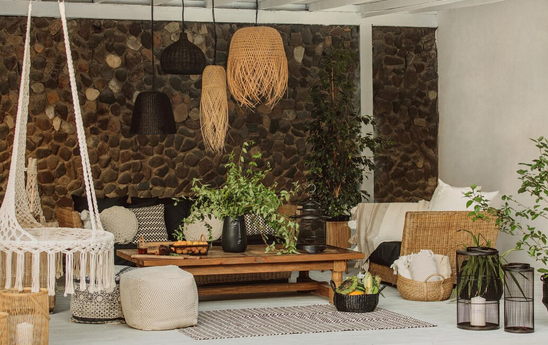 One of the most impactful trends is the integration of nature into interior spaces. Biophilic design goes beyond houseplants—it includes natural materials like wood, stone, and bamboo, as well as layouts that allow natural light to flood in. Large windows, indoor gardens, and earthy color palettes create a calming environment that connects occupants with the outdoors. This trend not only enhances aesthetics but also improves mental well-being, making the home a restorative sanctuary in a fast-paced world.
Multi-Functional and Flexible Layouts
As homes continue to double as workspaces, gyms, and entertainment areas, adaptable interiors have become essential. Designers are focusing on open floor plans and modular furniture that can shift function throughout the day. Think foldable desks, hidden storage, and convertible sofas that make it easy to transition from work mode to relaxation. This flexibility allows even smaller homes to feel spacious and accommodating, aligning with the growing need for efficiency without compromising comfort.
Smart Technology for Modern Living
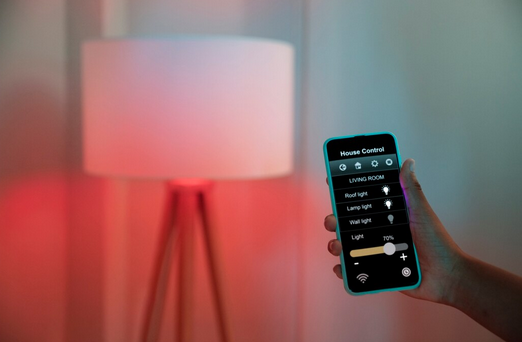
Technology is playing a bigger role in home design, not just for entertainment but for enhancing everyday convenience. Smart lighting systems, voice-activated appliances, and energy-efficient HVAC systems are becoming standard in modern homes. These devices not only improve the user experience but also contribute to sustainability by reducing energy consumption. Design is also adapting to house these tech integrations seamlessly, with built-in charging stations, concealed wiring, and minimalist control panels that maintain a clean aesthetic.
Sustainable and Eco-Friendly Materials
Sustainability is no longer an afterthought—it’s at the forefront of home design. Recycled materials, low-VOC paints, and energy-efficient fixtures are being used to reduce environmental impact. Homeowners are opting for furnishings made from reclaimed wood, natural fibers, and biodegradable materials. This shift toward conscious consumption is reflected in both construction and interior décor, as more people aim to create spaces that are beautiful, durable, and environmentally responsible.
Warm Minimalism and Soft Aesthetics
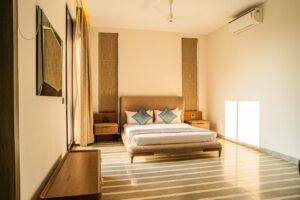 Gone are the days of stark minimalism. In 2025, the trend is toward warm, inviting interiors that still retain a minimalist sensibility. Soft curves, textured fabrics, and neutral tones like beige, clay, and olive green create a soothing atmosphere without overwhelming the senses. This style balances clean lines with coziness, resulting in spaces that feel both refined and livable. It’s an ideal approach for those seeking serenity in a clutter-free environment that still feels personal.
The latest home design trends reflect a deeper shift in how we define comfort, functionality, and sustainability. With an emphasis on nature, adaptability, and mindful living, today’s interiors are being shaped to support well-being and modern lifestyles. As design continues to evolve alongside cultural and technological changes, homes in 2025 are more than just shelters—they’re intentional spaces crafted for every aspect of life.…