Sustainability is more than just a trend in modern housing; it is now a major factor influencing how properties are built, sold, and valued. Ecological constructions, as described on the energieheld website, are changing the way buyers and investors view real estate. For homeowners, choosing an eco-friendly design not only reduces long-term costs but also boosts the market appeal of their property. Understanding the impact of ecological constructions on property value reveals why sustainable housing is becoming the future of real estate.
Growing Demand for Sustainable Homes
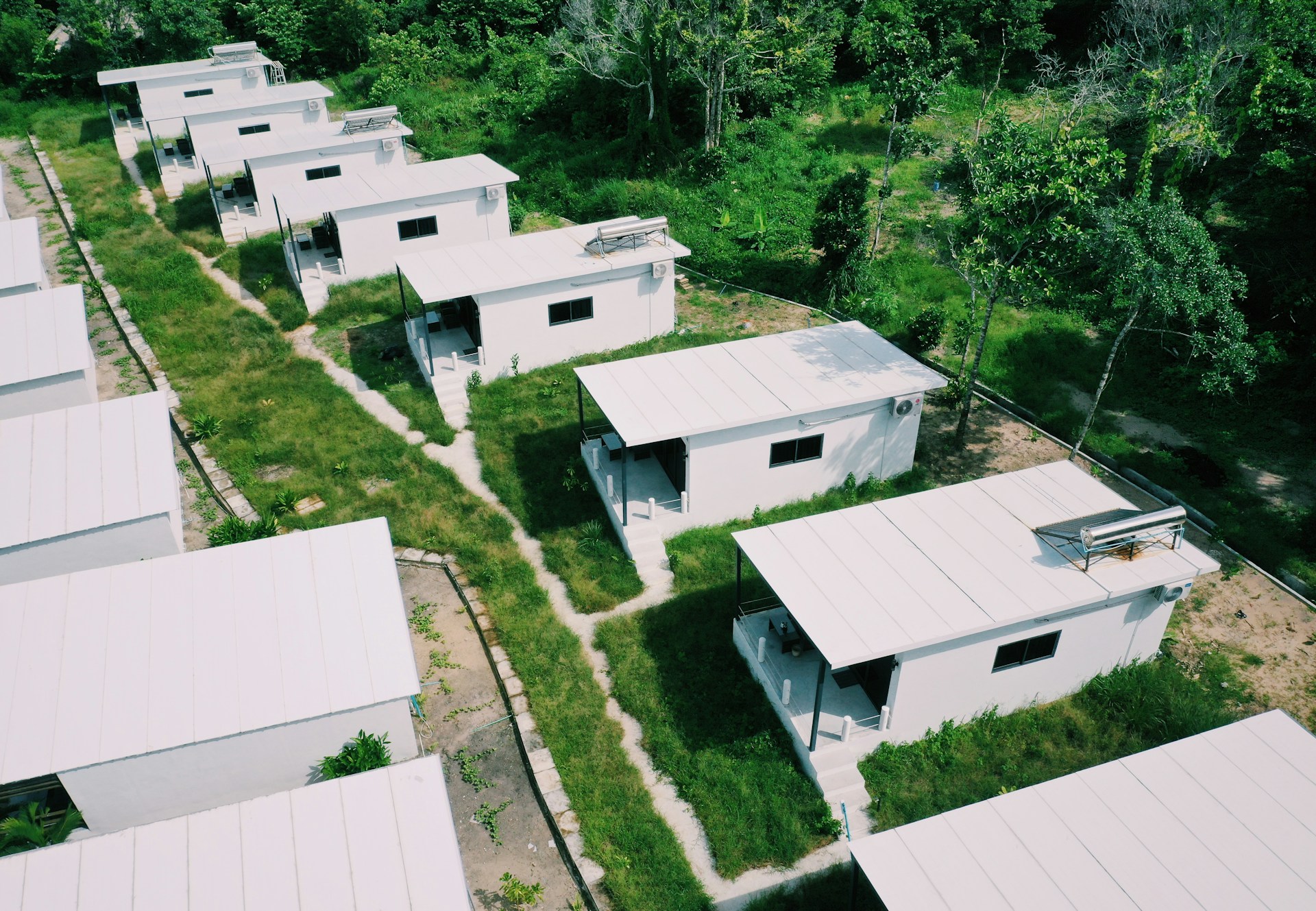 One of the key drivers of increased property value in ecological constructions is the rising demand from buyers. More people today are aware of environmental issues and actively seek homes that align with sustainable living. Features such as solar panels, efficient insulation, and water-saving systems are no longer considered luxuries but necessities for many buyers. This demand means that eco-friendly homes often sell faster and at higher prices than traditional ones, giving them a clear advantage in competitive housing markets.
Government Incentives and Regulations
Many governments are supporting the shift toward ecological constructions by offering incentives such as tax breaks, grants, or rebates for sustainable building features. Properties that meet eco-friendly standards often qualify for these benefits, making them even more attractive to potential buyers. Additionally, as environmental regulations become stricter, homes that already comply with modern standards stand out as future-proof investments. Buyers see this as added value, knowing that eco-friendly homes are less likely to face costly upgrades later.
Enhanced Market Perception and Prestige
Beyond cost savings and regulations, ecological constructions also benefit from a positive perception in the market. Owning a green home is often associated with innovation, responsibility, and forward-thinking design. Buyers see these properties as not just houses but as lifestyle choices that reflect modern values. This prestige adds to their desirability and can significantly boost property value in urban and suburban markets alike. Developers, in turn, are increasingly highlighting sustainability features as selling points to attract eco-conscious buyers.
Reduced Long-Term Operating Costs
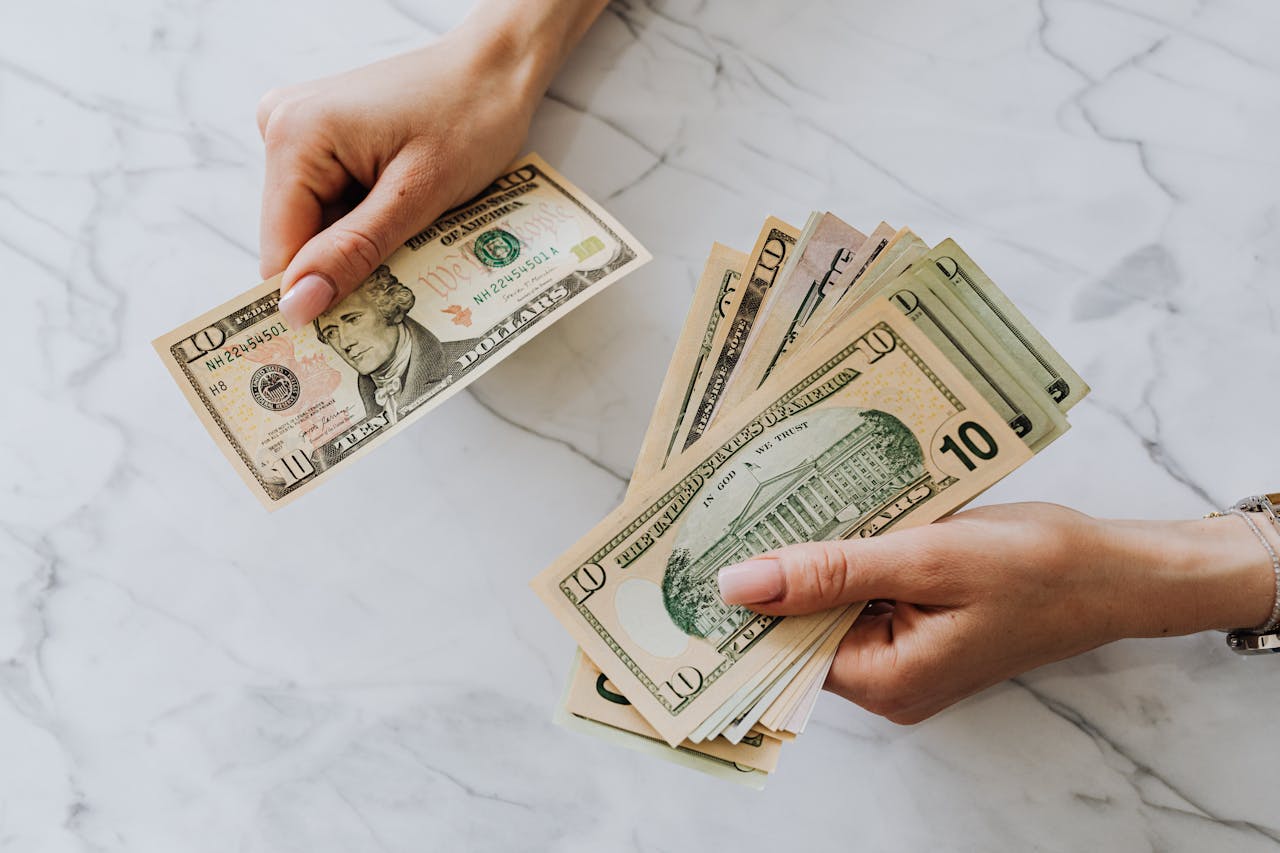
Ecological constructions are designed to minimize energy and water consumption, which translates into lower utility bills for homeowners. From smart energy systems to green building materials that regulate indoor temperatures, these features significantly cut down on monthly expenses. Buyers recognize these long-term savings, and as a result, they are willing to pay more upfront for properties that promise reduced running costs. In many cases, the initial investment in eco-friendly construction is quickly offset by these financial benefits, making such homes more appealing on the market.
Long-Term Investment Security
As the effects of climate change continue to shape policies and buyer behavior, ecological constructions are becoming a safer long-term investment. Traditional homes that lack energy efficiency or sustainable features may lose appeal and depreciate over time. On the other hand, eco-friendly properties are more likely to hold or increase their value, as they align with both market demand and future regulations. For investors and homeowners alike, ecological constructions represent a way to secure long-term returns in an evolving real estate landscape.
Ecological constructions have a clear and positive impact on property value by combining financial savings, government incentives, and growing buyer demand. They are viewed as future-proof investments that offer lower running costs, enhanced market appeal, and stronger long-term stability. For homeowners, building or purchasing an eco-friendly home is not just an environmental decision but also a smart financial one. As sustainability continues to shape the real estate industry, ecological constructions will remain central to how property value is defined in the years to come.…